
"volcanic climate coffee"
4000 article(s) found

A brief introduction to the cultivation of high-quality Guatemalan coffee beans, geographical location, climate and altitude
Guatemala has seven major coffee producing areas: Antigua,Coban,Atitlan,Huehuetenango,Fraijanes,Oriente and San Marcos. Antigua is a famous producer of coffee. Antigua coffee is produced in Hacienda Carmona, where the best quality coffee is EL Pulcal, which is not only of good quality, but also better than

World Coffee Map-- A Collection of Information on Coffee producing areas in Central America and Guatemala
For the exchange of professional baristas, please pay attention to the coffee workshop (Wechat official account cafe_style). The latitude of Guatemala is about 15 degrees, because of the long mountains and great regional climate change, which has created the eight coffee producing areas of the country, all located on the highland topography under the subtropical climate, rich and stable rainfall, excellent environment for fertile volcanic ash soil, and the coffee produced by it.

Introduction to the manor of Guatemala single bean flavor description variety planting development history of production area treatment method
For professional baristas, please follow the Coffee Workshop (Wechat official account cafe_style). Melon is a nickname for Guatemala. The Mayan town sits on top of 37 volcanoes, two of which erupted in 2010. Coupled with frequent tornadoes and natural disasters everywhere, it is a truly dangerous place. But fertile volcanoes
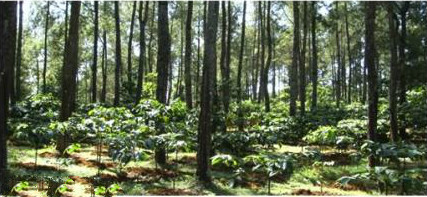
Guatemala Coffee Price latest Guatemala Coffee Price / Wholesale quotation Guatemala's eight largest producers
[guide] the Ekatlago Valley rises to 2000 meters (6500 feet), with dense shade and unique ecology, and the nearby Fuego volcano erupts, making its coarse, sandy soil rich in various minerals. Temperate sea breezes from the Pacific Ocean and seasonal climate have raised the Ekatangol Valley in Guatemala Guatemala to 2000 meters (6500 feet).
Guatemala's eight major producing areas and microclimate, what are the differences in climate and flavor among different producing areas?
Guatemala's eight major producing areas and microclimate, what are the differences in climate and flavor among different producing areas? After the impact of the Kuroshio movement, people gradually began to have professional knowledge and technology related to the coffee industry. In addition to the annual large-scale coffee-related exhibitions, barista competitions and the rapid development of baking equipment, our loyalty and love for coffee is no longer just to meet the current situation.
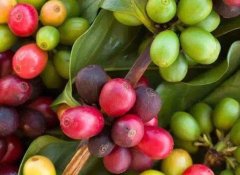
The story behind Guatemalan coffee is closely related to the micro-climate characteristics of Guatemalan coffee.
For the exchange of professional baristas, please follow the coffee workshop (Wechat official account cafe_style). This article discusses the micro-climate features that are closely related to coffee. After the impact of the Kuroshio movement, people gradually began to have professional knowledge and technology related to the coffee industry. In addition to the annual large-scale coffee-related exhibitions in various countries, baristas competitions, and the ever-changing baking equipment, we are interested in coffee.

What are the producing areas of Guatemalan coffee beans in volcanic geology
Rising to 2000 meters (6500 feet), with dense shade and unique ecology, the nearby Fuego volcano erupts, making its coarse, sandy soil rich in a variety of minerals. Temperate sea breezes from the Pacific and a seasonal climate allow coffee in this region to be dried by sunlight and processed according to traditional family methods that have been accumulated over the years. [characteristics] obvious acidity, dry
The producing areas of Guatemala coffee beans distribute the climatic environment of Guatemala
Professional coffee knowledge exchange more coffee bean information Please pay attention to the coffee workshop (Wechat official account cafe_style) after the impact of the Kuroshio movement, people gradually began to acquire professional knowledge and technology related to the coffee industry. In addition to the annual large-scale coffee-related exhibitions, barista competitions and the ever-changing baking equipment of various countries, our loyalty and love for coffee is no longer

Introduction to the flavor and taste of coffee from Incht Manor, Guatemala, with a very strong flavor.
Rich volcanic soil, low humidity, plenty of sunshine and cool nights are the climatic characteristics of Antigua coffee producing areas. The valley is surrounded by three volcanoes: Agua, Fuego and Acatenango. Tierra del Fuego volcano is one of the three most active volcanoes in Guatemala, and the ash from frequent eruptions makes Antigua.
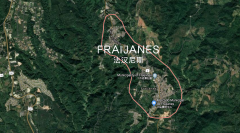
Geographical and climatic characteristics of Fahannis coffee producing area in Guatemala the tonality of French Hannis coffee
The Fahannis region is characterized by volcanic pumice soil, high elevations, heavy rainfall, changes in humidity and active volcanoes. The volcanoes around the Fahannis area are quite high above sea level, so that the Farrakhan Plain is still an active volcanic area, and the soil is rich in pumice, so the geographical environment of this producing area is similar to that of Antigua. However, the differences
What are the characteristics of Guatemalan coffee? Guatemalan coffee American specialty dangerous land
[guide] the Ekatlago Valley rises to 2000 meters (6500 feet), with dense shade and unique ecology, and the nearby Fuego volcano erupts, making its coarse, sandy soil rich in various minerals. Temperate sea breezes from the Pacific Ocean and seasonal climate have raised the Ekatangol Valley in Guatemala Guatemala to 2000 meters (6500 feet).
Starbucks dangerous Ma Antigua Coffee beans Guatemala Coffee beans Flavor characteristics Antigua Coffee beans
[guide] the Ekatlago Valley rises to 2000 meters (6500 feet), with dense shade and unique ecology, and the nearby Fuego volcano erupts, making its coarse, sandy soil rich in various minerals. Temperate sea breezes from the Pacific Ocean and seasonal climate have raised the Ekatangol Valley in Guatemala Guatemala to 2000 meters (6500 feet).

[Antigua Coffee region] what is the flavor of selected batches of Marguerite coffee beans? Antigua coffee species
Professional coffee knowledge exchange more coffee bean information please follow the coffee workshop (Wechat official account cafe_style) [Antigua coffee producing area] the flavor of selected batches of Marguerite coffee beans? What are the advantages of Antigua coffee growing environment? Antigua (Antigua), a first-rate planting area with volcanic soil, is similar to that of the Tarrazu region of Costa Rica.
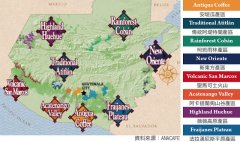
The reason for the variety of coffee flavor in Guatemala: the micro-climate combination forms the personality and characteristics of coffee flavor.
Communication of professional baristas Please pay attention to Coffee Workshop (Wechat official account cafe_style) after the impact of the Kuroshio movement, people gradually began to possess professional knowledge and technology related to the coffee industry. In addition to the annual large-scale coffee-related exhibitions, barista competitions and the rapid development of baking equipment, our loyalty and love for coffee is no longer just to meet the status quo.
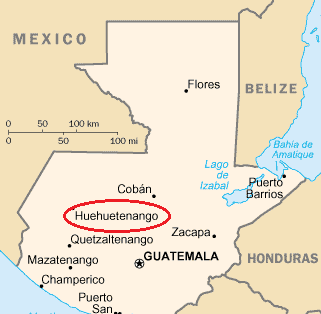
ILLY Italian Arabica coffee beans (Guatemala) Starbucks Guatemala Antigua Coffee
[guide] the Ekatlago Valley rises to 2000 meters (6500 feet), with dense shade and unique ecology, and the nearby Fuego volcano erupts, making its coarse, sandy soil rich in various minerals. Temperate sea breezes from the Pacific Ocean and seasonal climate have raised the Ekatangol Valley in Guatemala Guatemala to 2000 meters (6500 feet).
What is the altitude of Guatemala coffee beans and what are the coffee bean producing areas in Guatemala?
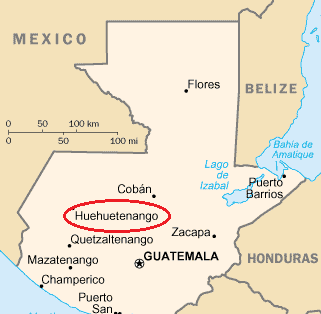
Guatemala Coffee beans altitude Guatemala Vivetna Fruit (Guatemala Huehuetenango): in Guatemala, it is famous for producing high quality beans, which is the highest altitude and dry climate in the coffee cultivation area of the country. Located in a rare non-volcanic area in China and the United States, the mountains are potholed and the terrain is very dangerous. Although it is nearly 2000 meters above sea level,
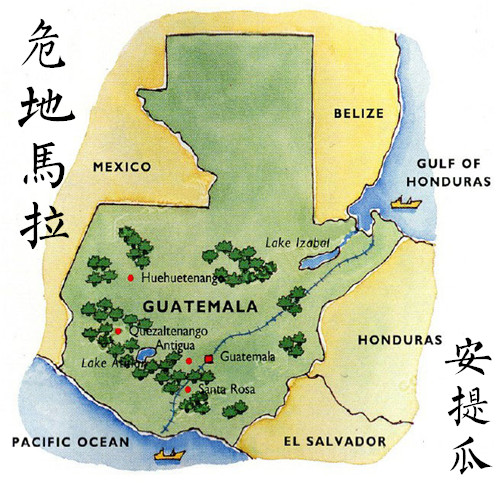
Guatemalan Coffee how to taste a single coffee? Guatemalan Coffee Latisha Manor
[guide] the Ekatlago Valley rises to 2000 meters (6500 feet), with dense shade and unique ecology, and the nearby Fuego volcano erupts, making its coarse, sandy soil rich in various minerals. Temperate sea breezes from the Pacific Ocean and seasonal climate have raised the Ekatangol Valley in Guatemala Guatemala to 2000 meters (6500 feet).
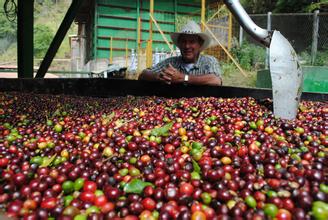
Buy Guatemalan Coffee how to taste a single coffee? Antigua Antigua Guatemala
[guide] the Ekatlago Valley rises to 2000 meters (6500 feet), with dense shade and unique ecology, and the nearby Fuego volcano erupts, making its coarse, sandy soil rich in various minerals. Temperate sea breezes from the Pacific Ocean and seasonal climate have raised the Ekatangol Valley in Guatemala Guatemala to 2000 meters (6500 feet).
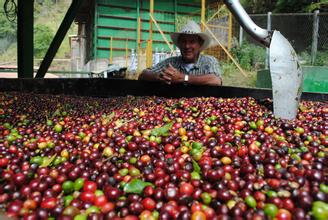
Guatemala National Guatemala production area Guatemala time Guatemala Coffee New Oriental region
[guide] the Ekatlago Valley rises to 2000 meters (6500 feet), with dense shade and unique ecology, and the nearby Fuego volcano erupts, making its coarse, sandy soil rich in various minerals. Temperate sea breezes from the Pacific Ocean and seasonal climate have raised the Ekatangol Valley in Guatemala Guatemala to 2000 meters (6500 feet).
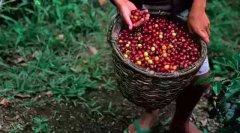
Guatemala Atitlan San Pedro (San Paito Manor) A detailed introduction to the eight manors
Atitlan San Pedro (Saint Pedro Manor) SHB Guatemala has extensive mountains and regional climate change, which has created eight major coffee producing areas, all located in alpine terrain / rich and stable rainfall / fertile pozzolanic soil in the subtropical climate. All coffee beans are Arabica varieties, each with different flavors and characteristics, excellent sour taste and fruity flavor, belonging to